


 USA
USA
 CANADA
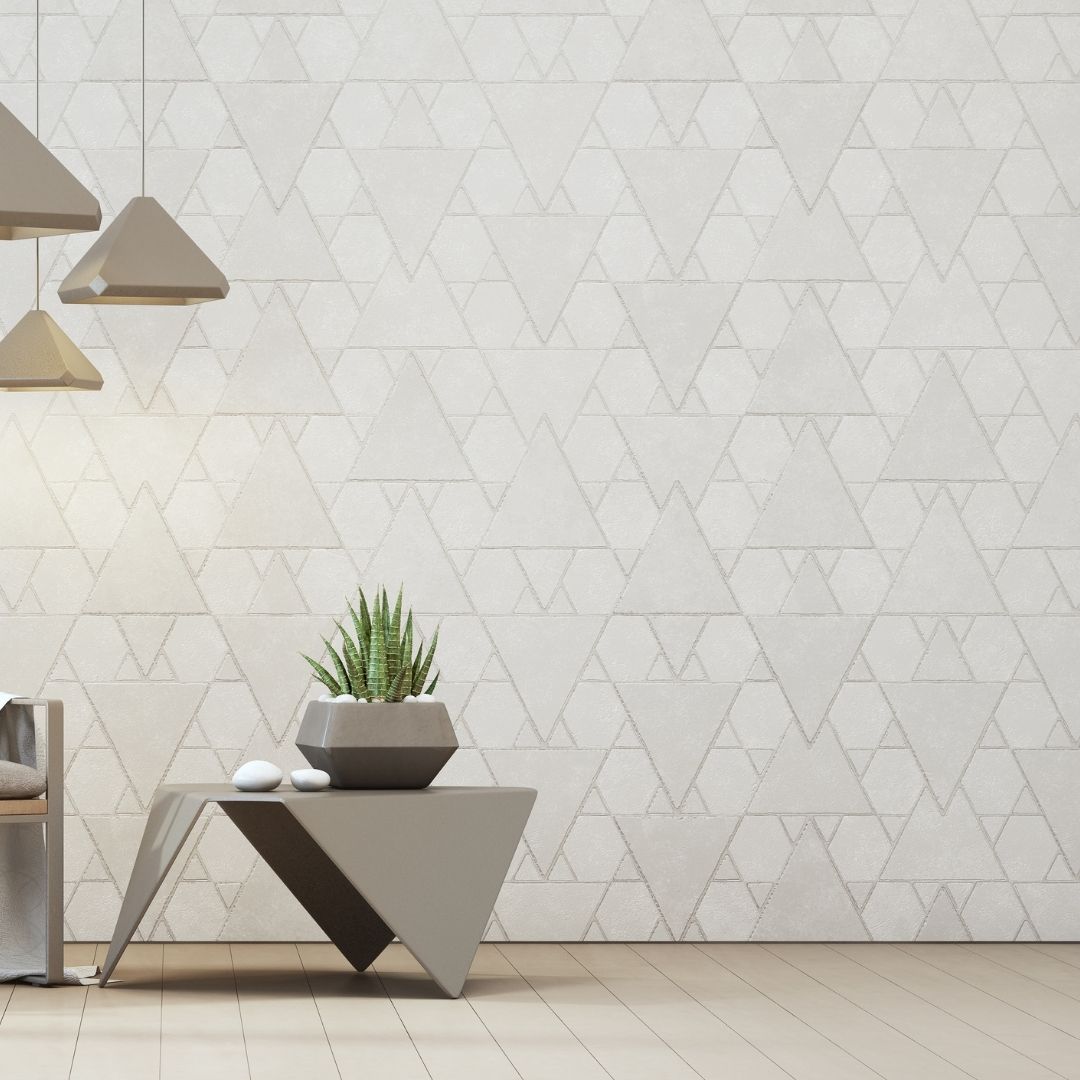
When choosing how to decorate or style walls, many people opt for wallpaper. The reason for this is that wallpaper can hide surface damage. Also, it adds much more depth, design, and texture than plain paint. There are many different types of wallpaper as well. Some of these may be better for your business than others. Learn how to choose the right type of commercial wallpaper in this article.
Why Choose Wallpaper Over Paint?
Let’s settle this age-old debate. While paint has its place, wallpaper brings something paint simply can’t – dimension, durability, and design flexibility that transforms spaces rather than just coloring them.
The Practical Advantages:
- Built to Last – High-grade commercial wallpaper withstands scrubbing, resists scuffs, and laughs in the face of cleaning chemicals that would strip paint.
- Damage Control – Unlike paint that highlights imperfections, textured wallpaper camouflages cracks and flaws while actually protecting the surface beneath.
- No Commitment Issues – Modern peel-and-stick options install in hours and remove cleanly, leaving walls pristine for the next design iteration.
The Design Edge:
Where paint offers a flat color, wallpaper delivers:
- Tactile textures that create architectural interest
- Photorealistic patterns (exposed brick? Tropical foliage?)
- Evolving collections that outpace paint trend cycles
The Bottom Line:
Paint covers walls. Wallpaper activates them – turning blank canvases into design statements while solving practical problems most businesses don’t realize they have.
Want proof? The right commercial-grade wallpaper can outlast multiple paint jobs while making stronger brand impressions. That’s not decoration – that’s strategic design.
Consider Commercial-Specific Needs
It might not seem like that big of a difference, but the distinction between wallpaper in commercial and residential buildings is drastic. Public places like hotel hallways or dentist office waiting rooms receive a LOT more traffic than your typical living space. Regular wallpaper would not last much more than a month in a high-traffic business. Almost anyone picking wallpaper for a commercial place needs to find a durable wallpaper that can handle more activity.
Look at Different Grades
Like other supplies and products, there are different grades of wallpaper. In this case, the grade refers to the degree of toughness that a wallpaper product possesses. The actual “weight” of wallpaper is what distinguishes it from other options. Essentially, when wallpaper is heavier, it’s thicker and more resistant to wear and tear. For some places, this isn’t that much of a concern, but for others, it is. It's one of the most vital factors when deciding how to choose the right type of commercial wallpaper. Here are the three types of wallpaper.
Type I
For commercial spaces watching costs, Type I wallpaper presents an economical solution - but with important considerations. Weighing in at 12-19 ounces per linear yard, this lightweight option delivers affordability while requiring strategic placement.
Key Characteristics:
- Cost-Effective - Significant savings compared to heavier grades
- Low-Traffic Suitability - Performs best in controlled environments
- Material Limitations - Thinner construction demands careful handling
Ideal Applications:
- Private offices with minimal furniture contact
- Conference rooms with limited daily use
- Waiting areas without high visitor volume
Critical Consideration:
While the price point appeals, this grade shows visible wear quickly in high-impact zones. Hallways, entryways, or any area experiencing frequent contact may require replacement within months. The true value emerges when matching the product to appropriate spaces - used strategically, it delivers visual impact without unnecessary expense.
Professional Insight:
Many facilities successfully combine Type I in low-traffic zones with more durable options where needed, optimizing both budget and longevity. This tiered approach often proves more cost-effective than uniform material selection.
Type II
Most businesses end up choosing Type II wallpaper. It weighs more at around 20 to 29 ounces per linear yard. However, it’s usually about twice as expensive compared to Type I wallpaper. Type II is a better option for any owner who predicts or knows that they have lots of people coming in and out of their building. Most modern commercial wallpapers on the market are Type II varieties. There are about four times more available than Type I these days—and for a good reason! No one wants to replace their wallpaper a few months after installing it. They don’t want to settle for it looking worn and torn either. Because of this, most companies opt for Type II from the start. Some high-end brands only sell Type II wallpapers. The initial costs are worth the reliability and durability! When handling Type II wallpaper, you’ll notice that it’s more thick, stiff, and rigid than Type I. This strength makes it perfect for places like hallways where people tend to knock things up against the wall or lean into it.
Type III
At around 33 to 36 ounces, Type III wallpaper is the strongest of them all. For most businesses, it’s unnecessary to spend money on something this durable. However, in particular places like daycares, anything lower than this type would become damaged too easily.

Think About the Wallpaper’s Appearance
A Wallpaper does more than cover walls—it shapes experiences. The right pattern and palette can elevate productivity in workplaces, enhance guest comfort in hospitality settings, or stimulate creativity in educational environments. Consider these design principles when specifying commercial wallcoverings:
Workplace Applications
- Professional Environments:
• Cool tones (slate blue, warm gray) promote focus and mental clarity
• Subtle textures add sophistication without distraction
• Large-scale geometrics can modernize traditional office layouts
Hospitality Considerations
- Neutral earth tones (oatmeal, champagne) create welcoming backdrops
- Faux material finishes (linen, grasscloth) suggest luxury without maintenance
- Directional patterns can visually expand smaller guest rooms
Educational Spaces
- Saturated accent walls boost energy in common areas
- Interactive textures engage younger students
- Color-blocked designs help with wayfinding in large facilities
Psychological Factors
Studies indicate:
- Blue tones increase cognitive performance by 10-15%
- Warm neutrals lower stress markers in high-traffic areas
- Strategic color zoning improves spatial navigation
Take the Materials Into Account
Wallpaper materials have evolved far beyond simple paper - today's options combine functionality with aesthetic appeal. The substrate you choose directly impacts maintenance, durability, and overall ambiance. Let's examine the key options:
Performance-Based Materials
- Vinyl - The workhorse of commercial spaces; withstands frequent cleaning with disinfectants while maintaining color vibrancy
- Foil - Adds reflective depth to lighting schemes, ideal for creating dimensional effects in low-light areas
- Natural Fibers (Bamboo/Grasscloth) - Provide organic texture with inherent humidity resistance; perfect for spa-like environments
Technical Considerations
- High-traffic areas demand scrubbable surfaces (look for Type II or III commercial grades)
- Moisture-prone zones require mold-resistant backings
- Fire-rated options may be necessary for certain commercial applications
Design Integration
The most successful projects marry material properties with design intent. A restaurant might combine:
- Wipeable vinyl in dining areas
- Acoustical felt in private rooms
- Metallic accents in bar areas